
Virtual Influencer Examples: 10 Campaign Models for Brands

Which virtual influencer examples are most useful for your brand: a fashion personality, a product expert, a live host, a localized ambassador, or an interactive customer guide?
Virtual influencers can take many forms because the character, production pipeline, voice, content, and commercial role are designed rather than inherited. The strongest example is not simply the most realistic or famous character. It is the format that matches the audience, product, channel, budget, and relationship the brand wants to build.
This guide compares ten practical virtual-influencer models that brands can use for campaigns. It explains where each model works, what content it needs, which risks to manage, and how to select and test the right approach without confusing audiences or weakening trust.
Table of Contents
How to Evaluate Virtual Influencer Examples

Begin with the character’s job. Some virtual influencers attract attention through fashion and culture. Others explain products, demonstrate use, host live experiences, support customer questions, or appear consistently across global campaigns. The job determines the design, performance, content formats, and technology.
Next, examine audience fit. A character should reflect the community’s interests and communication style without imitating a real demographic superficially. Brands need research, cultural review, inclusive design, and clear rules for sensitive topics. A visually striking persona still fails when the audience cannot understand its role.
Evaluate production reality as well as the finished post. Ask how images, animation, voice, scripts, approvals, disclosure, moderation, and localization are produced. A concept that works for one hero film may not support a weekly social calendar or real-time conversation.
Use the broader virtual influencer campaign planning playbook to connect the example with objectives, content, governance, launch, and measurement. A campaign model matters only when the team can operate it reliably.
Examples 1–3: Fashion, Beauty and Lifestyle Personas
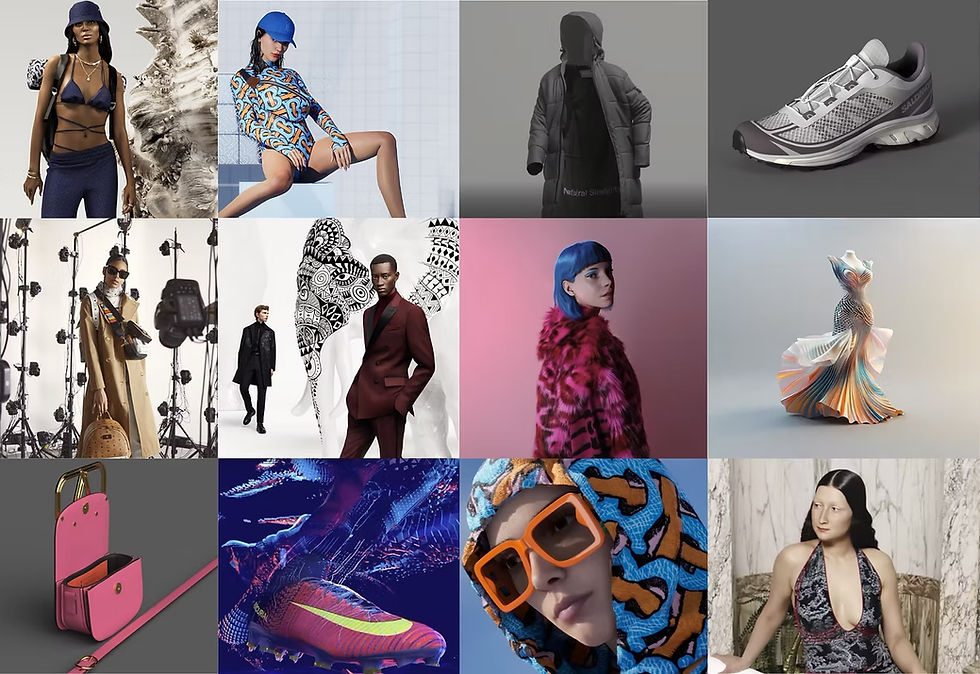
Example 1 is the editorial fashion persona. This character appears in stylized campaigns, digital editorials, event coverage, and brand collaborations. The design can be highly distinctive because the value comes from taste, visual direction, and cultural storytelling. It needs a consistent wardrobe system, point of view, caption voice, and image-production pipeline.
Example 2 is the beauty tutorial creator. This persona demonstrates routines, ingredients, application sequences, or visual looks. Product accuracy is essential: packaging, shade, texture, claims, and usage must match reality. Close-up assets require high-quality skin, hair, hands, lighting, and compositing, along with clear disclosure.
Example 3 is the lifestyle storyteller. The character appears in recurring settings such as travel, wellness, food, work, or home. Audiences follow the continuing world as much as individual promotions. A content bible should define relationships, habits, locations, values, and subjects the persona will avoid.
These models require consistency across prompts, scripts, visuals, and interactions. The AI influencer prompt guide explains how structured instructions protect identity and tone while allowing fresh creative ideas.
Examples 4–5: Product Experts and Digital Spokespeople

Example 4 is the product demonstration specialist. This virtual creator shows how a product looks, fits, moves, or works through short videos, interactive experiences, and campaign visuals. It is useful when brands need many versions, environments, or languages while keeping the core presentation consistent.
The workflow begins with accurate product assets and approved claims. Teams define the demonstration steps, camera views, safety limits, and information the character may provide. Every output needs product and legal review because visual flexibility does not remove the requirement for truthful representation.
Example 5 is the corporate or brand spokesperson. This character introduces announcements, explains services, welcomes event audiences, or presents recurring updates. It needs a credible tone, clear pronunciation, accessible pacing, and a visual identity that supports the organization rather than competing with it.
A product-focused persona can move beyond passive posts. See how a virtual model supports interactive product demos through guided explanation, customer choice, and reusable digital assets.
Examples 6–7: UGC Creators and Social Commerce Hosts
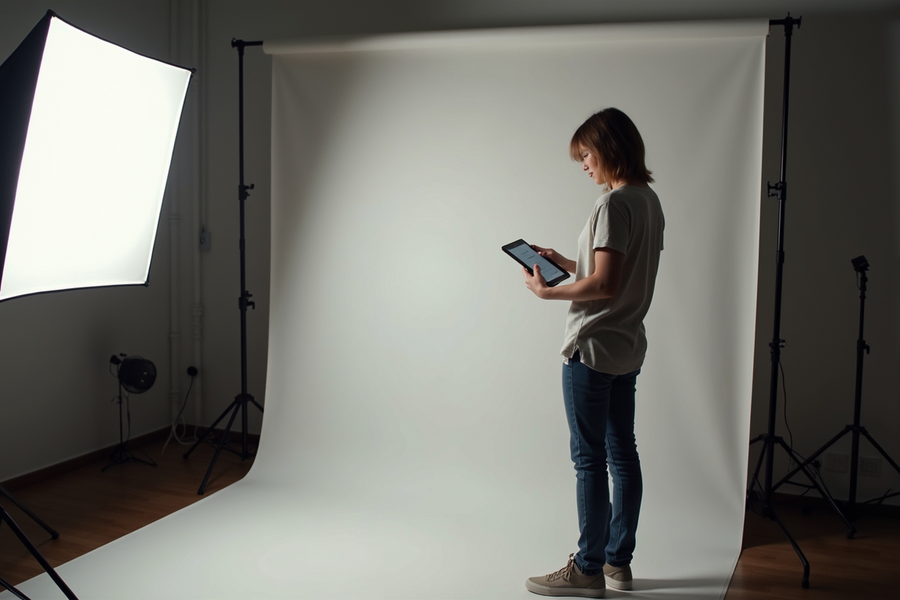
Example 6 is the UGC-style virtual creator. The content resembles native social posts: a quick hook, relatable problem, product use, proof, and action. Brands can test scripts, openings, formats, backgrounds, and calls to action without arranging a new physical shoot for every variation.
The content should remain honest about its synthetic creator. It must not fabricate personal experience, results, or customer testimony. The strongest ads focus on visible product features, demonstrations, use scenarios, and clearly framed brand messages rather than invented authenticity.
The AI influencer UGC ads playbook covers creative testing, product proof, governance, and measurement. Treat each variation as a hypothesis and compare results with consistent audiences, placements, budgets, and conversion windows.
Example 7 is the social commerce host. This persona guides product discovery through shoppable video, live streams, interactive pages, or conversational interfaces. The host can answer approved questions, compare options, demonstrate features, and direct customers to the correct product page or human support.
Examples 8–9: Localized Ambassadors and Interactive Characters

Example 8 is the localized market ambassador. The core character remains recognizable, but language, references, timing, offers, styling, and platform behavior adapt for each market. Localization should involve native reviewers and local brand teams rather than direct translation alone.
A global character needs a central identity system and controlled local flexibility. Teams should document non-negotiable traits, market-specific permissions, pronunciation, cultural sensitivities, disclosure language, and escalation. This protects recognition without forcing every audience into one generic voice.
The full AI influencer localization playbook explains how language, culture, platform norms, and review workflows fit together. Local results should be measured separately because engagement and conversion patterns differ by market.
Example 9 is the interactive character. Instead of publishing only fixed content, this virtual influencer responds in chat, games, installations, websites, or events. The experience needs an approved knowledge base, personality rules, response boundaries, privacy controls, moderation, and reliable human escalation.
Example 10: The Long-Term AI Brand Ambassador

Example 10 is a brand-owned ambassador designed for years rather than one launch. It can appear in social content, campaigns, product education, events, customer experiences, and immersive media. The investment is larger because the brand is building a reusable character system and intellectual property.
The ambassador needs a defined purpose, story, visual identity, voice, values, behavior, rights structure, and governance model. Assets should be production-ready across intended channels. The organization also needs content ownership, version control, security, approval roles, and a process for updating knowledge and design.
A long-term approach is explained in the AI brand ambassador strategy guide. It connects persona design with storytelling, 3D production, governance, channel strategy, and measurable audience outcomes.
The advantage is compounding value. Campaign assets, environments, animations, voice systems, and audience learning can be reused and improved. The risk is that inconsistency or a poorly handled controversy also compounds, so the operating model must mature with the character.
Choose, Pilot and Measure the Right Model

Select the model by working backward from the customer journey. Awareness may favor a distinctive editorial persona. Consideration may benefit from a product expert. Conversion may favor UGC-style demonstrations or a commerce host. Loyalty may benefit from an interactive or long-term ambassador.
Run a focused pilot with one audience, message, channel, and success measure. Produce enough creative variation to learn without building the entire universe. Establish comparison content, tracking, disclosure, moderation, approval timelines, and a response plan before launch.
Measure attention, engagement quality, brand lift, traffic, conversion, cost, audience trust, and reusable asset value. The guide to virtual influencer analytics shows how to connect platform data with business outcomes rather than relying only on likes or follower counts.
Plan for problems as carefully as success. Use the virtual influencer crisis management playbook to map risks, assign response roles, monitor reactions, correct errors, pause content when needed, and rebuild trust transparently.
Frequently Asked Questions
What are virtual influencer examples?
They are practical models showing how a digital character can work, such as a fashion persona, product expert, UGC creator, live host, localized ambassador, interactive guide, or long-term brand representative.
Does a virtual influencer need to look human?
No. It can be photoreal, stylized, animated, mascot-like, or fantastical. The design should support the audience, story, channel, and production needs.
Which example is best for product sales?
Product demonstration specialists, UGC-style creators, and social commerce hosts are strong options because they connect features, proof, guidance, and purchase actions.
Can one character use several models?
Yes. A long-term ambassador may publish lifestyle stories, demonstrate products, host live sessions, and answer questions. Expand gradually so each role remains credible.
How should brands disclose a virtual influencer?
Use clear, visible language appropriate to the platform and market. Audiences should understand that the character is virtual and when content is sponsored or brand-owned.
How much content is needed for a pilot?
Enough to test the central idea and several creative variations. A focused series is more useful than one post, but a pilot does not require a complete character universe.
Can virtual influencers work globally?
Yes, when language, culture, timing, platform norms, offers, and disclosures receive local review. Direct translation is usually insufficient.
Who owns the virtual influencer?
Ownership depends on contracts covering the character, models, textures, voice, scripts, source files, trademarks, training data, licenses, and future uses.
How is success measured?
Use metrics linked to the campaign objective, including attention, qualified engagement, brand lift, traffic, conversion, cost, trust, and reusable asset value.
What should a brand give an agency?
Provide objectives, audience, product facts, brand rules, references, channels, markets, required formats, legal constraints, timeline, approvals, and measurement expectations.
Turn an Example Into a Brand-Owned Strategy
The best virtual influencer example is the one that clarifies what the character should do for the audience and business. Brands should borrow the operating principle, then create an original persona, production system, and governance model suited to their own identity.
Mimic Influencer develops virtual creators, digital humans, content systems, interactive experiences, and global campaign pipelines. Review how to create an AI influencer or contact the Mimic Influencer team to plan a focused pilot or long-term ambassador.


Comments