
AI Influencers: Types, Benefits and Brand Guide for 2026
Updated: Sep 2
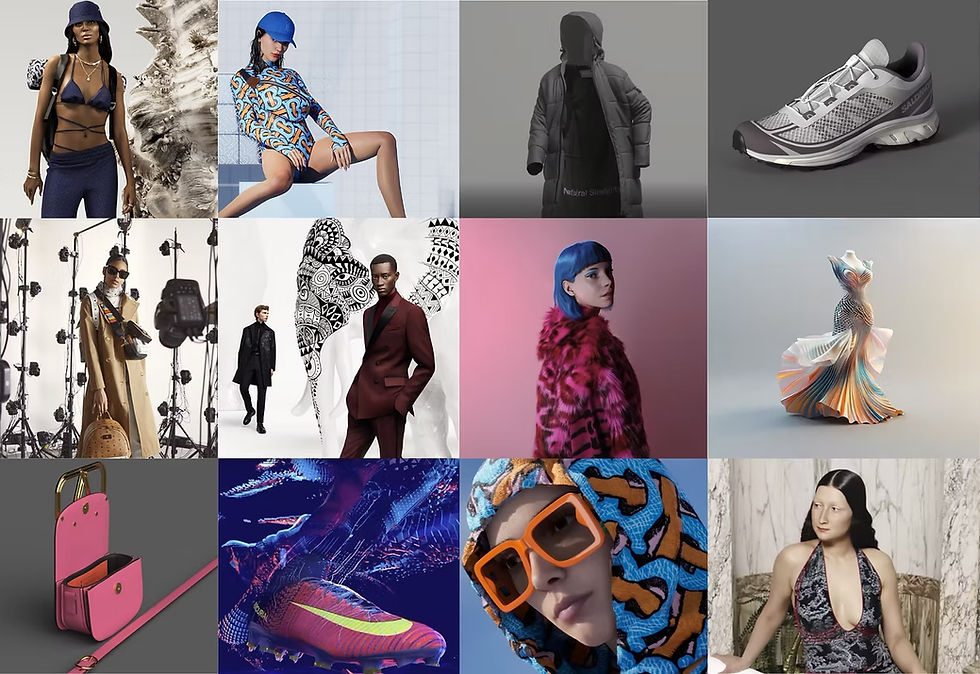
What makes AI influencers useful to brands—and what separates a durable digital character from a short-lived visual experiment?
AI influencers are designed digital personalities that publish content, represent brands, entertain communities, demonstrate products, or interact with customers. Strong examples are not simply generated portraits. They combine strategy, visual identity, production assets, performance, storytelling, governance, and measurement.
This guide explains the types, production models, benefits, limitations, and campaign decisions marketing teams should understand in 2026. It connects a virtual personality to a clear customer job, transparent operating rules, and measurable outcomes using Mimic Influencer’s virtual influence technology.
Table of Contents
What Are AI Influencers?
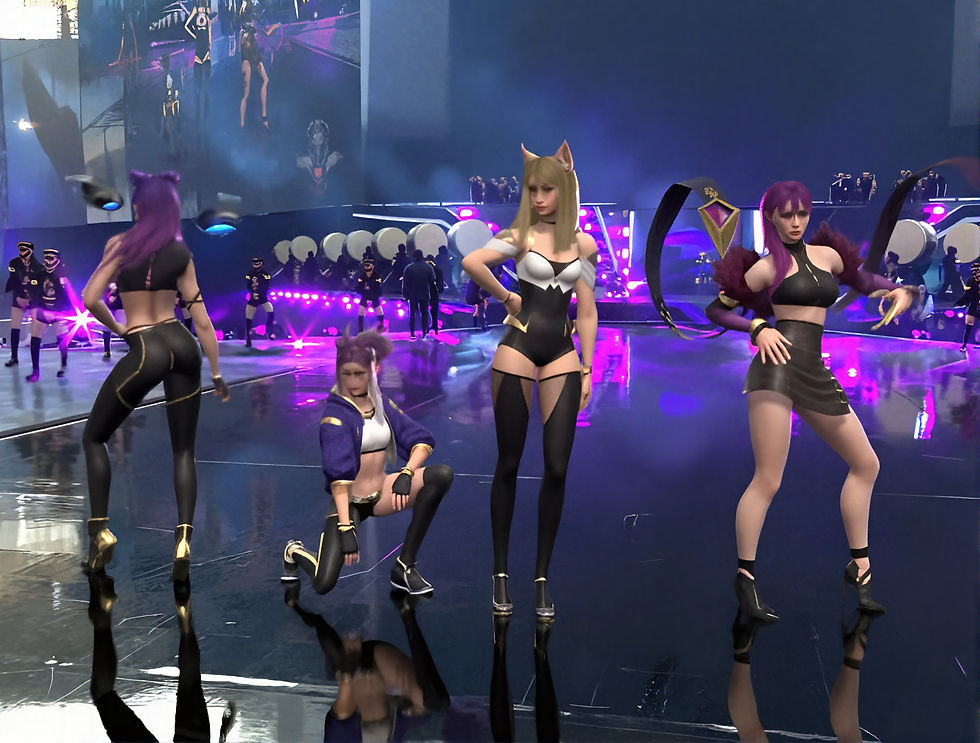
AI influencers are fictional or digitally represented personalities created to communicate through social platforms, campaigns, websites, retail, events, and immersive media. Some are photorealistic; others are visibly stylized. Some publish pre-produced content, while others answer questions or perform in real time through controlled systems.
The word AI can describe several layers: writing support, image or video tools, voice systems, translation, personalization, analytics, or conversation. The core visual asset may still use traditional 3D modeling, photogrammetry, animation, and motion capture. Calling every digital character autonomous creates the wrong expectation because professional programs remain directed and reviewed by people.
A practical definition focuses on function: an AI influencer is a managed digital persona with a recognizable identity, repeatable behavior, and a role in a brand or media strategy. That role may be product educator, campaign host, entertainer, customer guide, or fictional creator. The complete AI influencer creation guide explains the process from brief to launch.
Consistent identity, appearance, personality, and point of view
A documented relationship to the owner or brand
Repeatable content and performance rules
Clear disclosure, moderation, and human oversight
A measurable commercial or audience objective
The Main Types of AI Influencers

AI influencers can be grouped by appearance, ownership, performance model, and interaction. The categories overlap, so a brand should choose a combination that suits the audience and job. A stylized CGI creator uses an intentionally illustrated or 3D appearance. Stylization supports distinction and creative freedom without implying that the character is human.
A photoreal digital human aims for lifelike skin, hair, movement, lighting, and expression. It suits close-up storytelling, premium demonstrations, interactive hosts, and mixed reality, but demands rigorous quality control. A digital twin is based on a licensed real person or performer. Scanning and performance capture preserve distinctive appearance and movement while extending the person into new formats.
A brand-owned fictional ambassador is long-term intellectual property that can appear across campaigns. An interactive avatar adds conversation or live guidance, requiring approved knowledge, response safety, privacy controls, moderation, and human escalation. The most realistic option is not automatically best; memorability, audience expectation, content volume, rights, channels, and operating cost all matter.
Brands planning a long-term persona can use the AI brand ambassador strategy to decide where a character belongs across awareness, consideration, service, and retention.
How AI Influencers Are Built and Operated

A reliable AI influencer begins with a brief defining the audience, role, objective, action, channels, tone, visual codes, boundaries, and success measures. A character bible then documents purpose, personality, vocabulary, interests, limitations, brand relationship, disclosure language, and examples of behavior in common situations.
The visual pipeline may include concept art, modeling, photogrammetry, textures, hair, clothing, rigging, expression controls, lighting references, and platform render templates. Motion can be animated, captured from performers, driven live, or combined. Voice may use an actor, a licensed synthetic system, or a hybrid. Contributor rights and downstream uses must be documented.
Content operations turn the asset into a publishing system through story arcs, recurring formats, product demonstration rules, reply patterns, approvals, naming, version control, and calendars. A strong virtual influencer production pipeline preserves source files and reusable components so each campaign does not begin from zero.
Human oversight remains essential. Writers, artists, animators, strategists, legal reviewers, social managers, and analysts make the decisions behind the character. Real-time use adds knowledge management, safety tests, privacy, moderation, fallbacks, and escalation. The operating system around the face is often the greater source of long-term value.
Why Brands Use AI Influencers
The central advantage is a reusable identity and production system around a defined purpose. Once built, the same character can support social posts, launch films, product demonstrations, retail screens, events, AR, VR, websites, and localized campaigns. Creative control helps maintain appearance, tone, timing, and approved claims.
Reusable 3D assets can enter environments that would be expensive, unsafe, or impossible to film. A character can demonstrate products at different scales, travel between fictional worlds, or appear consistently across campaign phases. This expands storytelling while reducing dependence on separate talent negotiations for every deliverable.
Localization can extend the character, but it goes beyond translation. Voice, humor, gestures, styling, claims, disclosure, and platform behavior need native review. A global core plus controlled local variants protects recognition and cultural fit. See the AI influencer localization playbook.
A character can become a long-term asset through recognition, narrative continuity, performance libraries, and production learning. That does not make it cheap: sophisticated digital humans require strategy, technology, talent, rights, and operations. The business case improves through planned reuse and measurement. Compare budgets with the AI influencer cost guide.
Risks, Disclosure, and Responsible Use

The greatest risk is a gap between what audiences think they are seeing and how the character works. A photoreal persona should not be presented as a real independent human. Profiles, captions, overlays, event introductions, and conversation openings need clear context-appropriate disclosure. Sponsorship disclosure still applies.
Brands must define ownership of the name, model, textures, voice, motion, source files, renders, derivatives, and inputs. Contracts should cover channels, territories, duration, modifications, sublicensing, performer consent, vendor access, and termination. Use the virtual influencer disclosure playbook as a governance reference.
Bias and cultural harm can enter through references, data, casting, beauty standards, language, and automated responses. Relevant cultural and subject experts should review sensitive work. Interactive systems need restricted knowledge, refusal behavior, logging, privacy rules, and fast human handoff. Characters should never improvise high-stakes advice outside an approved scope.
Operational risks include visual drift, inconsistent tone, unlicensed assets, security failures, and dependence on one vendor or model. Maintain an asset registry, approval trail, incident plan, and periodic audit. Responsible use belongs in design, production, publishing, moderation, and measurement—not at one final legal checkpoint.
How to Plan and Measure an AI Influencer Campaign

Start with one customer problem and one primary objective. A pilot might improve product understanding, introduce a launch story, generate qualified engagement, support an event, or test an interactive guide. Define audience, channel, format, desired action, evidence, baseline, budget, timeline, and decision owner before production expands.
Specify the role, knowledge, restricted claims, disclosure, and human handoff. Plan a small set of repeatable formats instead of unrelated posts. The AI influencer marketing strategy guide aligns audience, narrative, channels, and governance, while the product launch playbook applies the system to a launch.
Measurement should combine audience, business, production, and trust indicators. Reach and likes show attention, not usefulness. Track watch time, completion, saves, qualified comments, sentiment, disclosure comprehension, product knowledge, click quality, lead quality, assisted conversions, revision rounds, production hours, moderation incidents, and reusable asset value.
Run a retrospective across creative, production, social, legal, and analytics teams. Record which assumptions worked, where users became confused, what was reusable, and what delayed approval. Change one major variable at a time. The virtual influencer analytics guide links engagement, brand lift, and ROI. When external support is required, use the AI influencer agency guide to compare strategy, ownership, quality, security, governance, and measurement.
FAQ
Are AI influencers real people?
No. They are designed digital characters, though projects may use licensed scans, voices, or motion from real performers. Brands should explain the character’s virtual nature and human oversight.
How are AI influencers different from virtual influencers?
The terms overlap. Virtual influencer describes the digital persona; AI influencer often emphasizes AI-assisted content, conversation, personalization, or operations. Many professional characters combine CGI, performance capture, and AI.
Do they replace human creators?
Usually not. Human creators provide lived experience and established trust. Digital characters provide controlled continuity, reusable assets, localization, and imaginative formats. Hybrid campaigns can combine both strengths.
How much do they cost?
Cost depends on strategy, realism, modeling, scanning, rigging, voice, motion, content volume, rights, real-time interaction, and localization. Compare total ownership and operating costs rather than one image.
How long does development take?
A concept can appear quickly, but a production-ready character may need weeks or months for strategy, design, assets, performance tests, governance, content templates, approvals, and launch material.
Can they interact live?
Yes. Real-time animation can connect with approved knowledge, speech, moderation, and human escalation. Live interaction requires tighter safety, privacy, and quality controls than pre-produced social posts.
How should brands disclose them?
Use clear language in profiles, captions, video overlays, event introductions, and conversation openings. Also disclose sponsorship and material AI involvement when it affects audience understanding.
Which metrics matter?
Use metrics tied to the objective: watch time, completion, saves, qualified comments, sentiment, disclosure comprehension, product knowledge, click quality, leads, conversions, production effort, and asset reuse.
Who owns the character?
Contracts decide ownership. Confirm rights to the name, likeness, model, textures, voice, motion data, source files, outputs, derivatives, territories, channels, duration, and modifications.
When should a brand hire specialists?
Use specialists for durable 3D assets, photoreal humans, scanning, motion capture, real-time performance, complex rights, localization, or a repeatable production and governance system.
Conclusion
AI influencers work best when treated as managed media properties rather than instant content shortcuts. Strategy defines the job; production creates a durable asset; people direct the performance; governance protects trust; and measurement determines whether the character deserves to scale.
Ready to explore a distinctive digital personality for your brand? Contact Mimic Influencer to discuss your audience, campaign goal, character concept, and production roadmap.
Related reading: Mimic Influencer blog · how AI influencers work


Comments